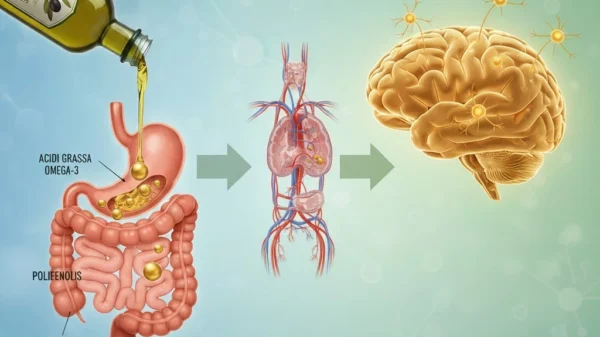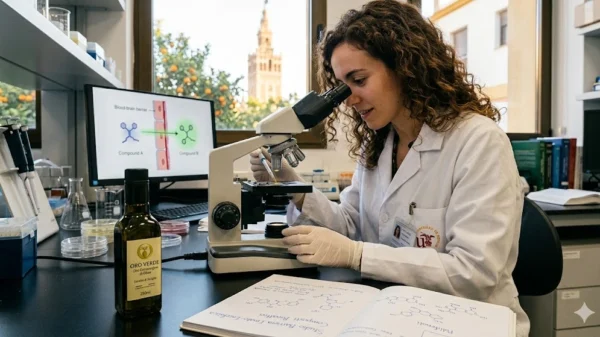






Se pensavamo di conoscere già tutti i benefici del consumo di olio extravergine di oliva, ci sbagliavamo. Ora, un nuovo studio condotto dall’Università di Siviglia fa nuova luce sul potenziale di questo alimento come alleato nella prevenzione e nella gestione delle malattie infiammatorie. Come riporta il giornale spagnolo Olimerca, ricercatori hanno dimostrato che l‘oleaceina – un composto naturale presente nell’olio extravergine di oliva – è in grado di ridurre l’infiammazione nelle cellule articolari umane.
Secondo quanto pubblicato sulla rivista Food & Function, il composto sarebbe in grado di ridurre in modo significativo l’infiammazione nelle cellule articolari umane. Non solo: i ricercatori hanno osservato che l’oleaceina agisce anche sui meccanismi epigenetici, intervenendo nei processi che regolano l’attivazione dei geni coinvolti nella risposta infiammatoria.
La novità principale risiede proprio in questa doppia azione. Da un lato, l’oleaceina limita il rilascio di molecole responsabili dell’infiammazione; dall’altro, modula il “sistema di controllo” cellulare che determina quali geni vengano attivati durante tali processi.
Lo studio è stato condotto in vitro su cellule sinoviali umane, fondamentali per il rivestimento delle articolazioni e direttamente coinvolte nei fenomeni infiammatori. I ricercatori hanno suddiviso l’esperimento in tre gruppi: cellule in condizioni normali, cellule con infiammazione indotta dalla citochina IL-1β e cellule pretrattate con oleaceina prima dell’induzione infiammatoria. In quest’ultimo gruppo si è registrata una risposta infiammatoria significativamente più contenuta.
“Il composto ha ridotto diversi segnali biologici associati all’infiammazione”, ha spiegato la coordinatrice dello studio, Rocío Muñoz García. Un risultato rilevante, considerando che l’infiammazione è un fattore chiave in patologie come l’artrite reumatoide e l’artrite psoriasica, responsabili non solo di dolore ma anche di un progressivo deterioramento delle articolazioni.
I risultati aprono alla possibilità di utilizzare l’oleaceina come strategia nutrizionale complementare per migliorare la qualità della vita dei pazienti affetti da queste patologie. Tuttavia, gli stessi ricercatori invitano alla cautela: si tratta di uno studio preclinico, e saranno necessarie ulteriori sperimentazioni su pazienti per confermare gli effetti osservati in laboratorio.
Finanziata dal Governo regionale andaluso e dai fondi europei, la ricerca si inserisce in un filone sempre più attivo che studia il ruolo dei composti dell’oliva nella terapia nutrizionale.
In attesa di conferme cliniche, i dati raccolti indicano che l’oleaceina, almeno in laboratorio, è in grado di ridurre l’infiammazione, limitare i marcatori di danno articolare e intervenire nei meccanismi che regolano l’attività genetica, aprendo nuove prospettive nel campo delle malattie infiammatorie.