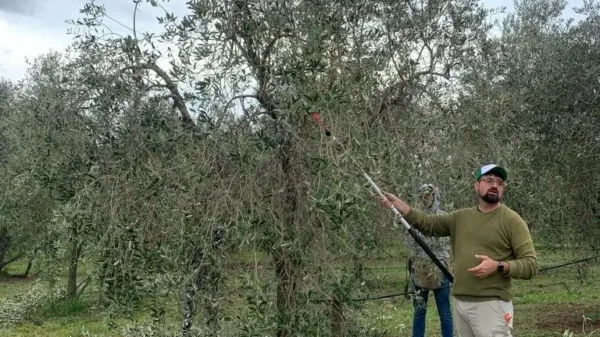







Sono Lecciana e Leccio del Corno le due varietà olivicole su cui è forte l’attenzione dei ricercatori impegnati a trovare ulteriori cultivar resistenti alla Xylella. La notizia è stata ufficializzata al 35° Forum di Medicina Vegetale, tenutosi nei giorni scorsi a Bari. Ma, sollecitato nell’occasione, il prof. Donato Boscia (nella foto), responsabile dell’Istituto per la protezione sostenibile delle piante del Cnr e punto di riferimento della ricerca scientifica sulla Xylella, ha ribadito quanto anticipato già a OlivoNews nelle scorse settimane: “Queste sono due varietà che potrebbero attestare possibili potenziali di resistenza, ma le sperimentazioni non sono ancora state concluse. Pertanto non possono ancora essere considerate varietà resistenti”.
Parole improntate alla proverbiale prudenza del ricercatore, ma è naturale che le aspettative crescano tra gli olivicoltori e il mondo scientifico, tutti consapevoli che due sole varietà oggi resistenti – Leccino e Favolosa – non sono sufficienti. Come confermato dall’esperienza avuta proprio con la Xylella che ha avuto vita facile contro le due varietà estremamente sensibili presenti nel Salento come l’Ogliarola salentina e la Cellina di Nardò.
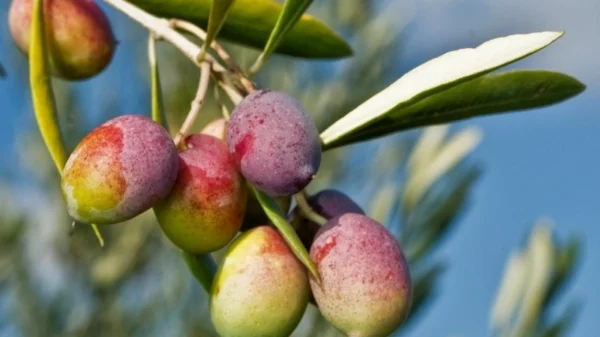
La Lecciana è la varietà frutto di un miglioramento genetico sviluppato da Agrimillora con l’Università di Bari (referente il prof. Salvatore Camposeo) avendo come parentali Leccino e Arbosana. Idonea al superintensivo, è di medio-bassa vigoria ed entra velocemente in produzione.
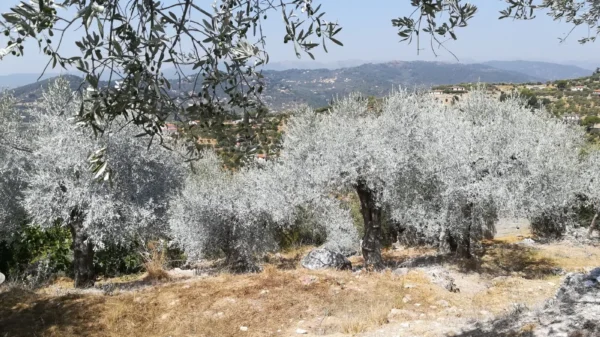
Il Leccio del Corno, che deve il suo nome alla fattoria del Corno a San Casciano Val di Pesa (Fi) dove è stata individuato nel 1929, è una cultivar tra le più diffuse nel Centro-Nord Italia che si è valutato nel tempo essere particolarmente adatta anche all’olivicoltura di alta densità.
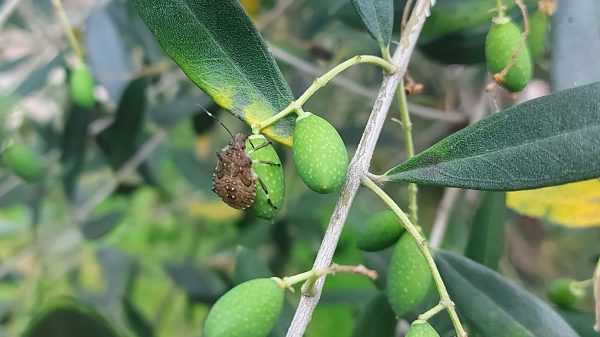
Dall’incontro sono emerse anche altri due elementi di interesse. Innanzitutto è stato confermato il minor avanzamento della Xylella (come lo stesso OlivoNews aveva ricordato) determinato da vari fattori: notevole diminuzione del vettore, pratiche agronomiche più corrette grazie alle normative presenti, clima meno idonei per l’insetto mano a mano che si risale la Puglia).
Secondariamente il progetto di ricerca sull’identificazione di semenzali spontanei ottenuti attraverso libera impollinazione, presenti all’interno della zona infetta ha permesso di identificare come semenzali non sintomatici e negativi alle prime analisi 139 genotipi diversi che, una volta sottoposti a ulteriori controlli e test di patogenicità, sono stati ulteriormente scremati. I 4 genotipi ottenuti, rispetto ai quali è stata attivata la fase di moltiplicazione, saranno testati all’interno di diversi campi di prova per la caratterizzazione nei confronti delle varie condizioni climatiche.
Sfoglia gratuitamente l’Olivo News cliccando qui